What a fan really is
Why loyalty is the wrong word for it. Fandom sits inside identity, so a decision about a product becomes a decision about who someone is. Get this part wrong and everything downstream is guesswork.
The book
Marketing in the Age of Nerd Culture
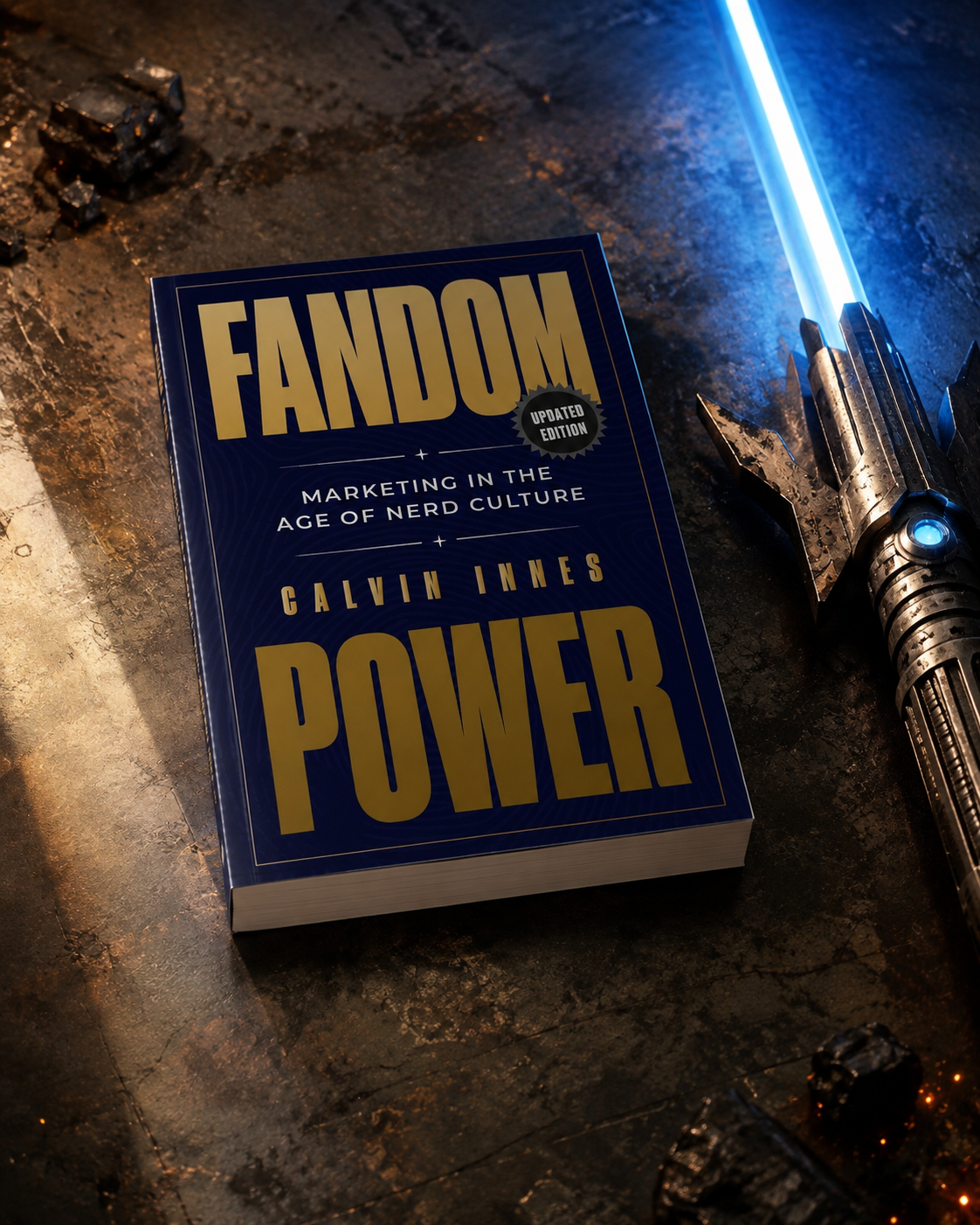
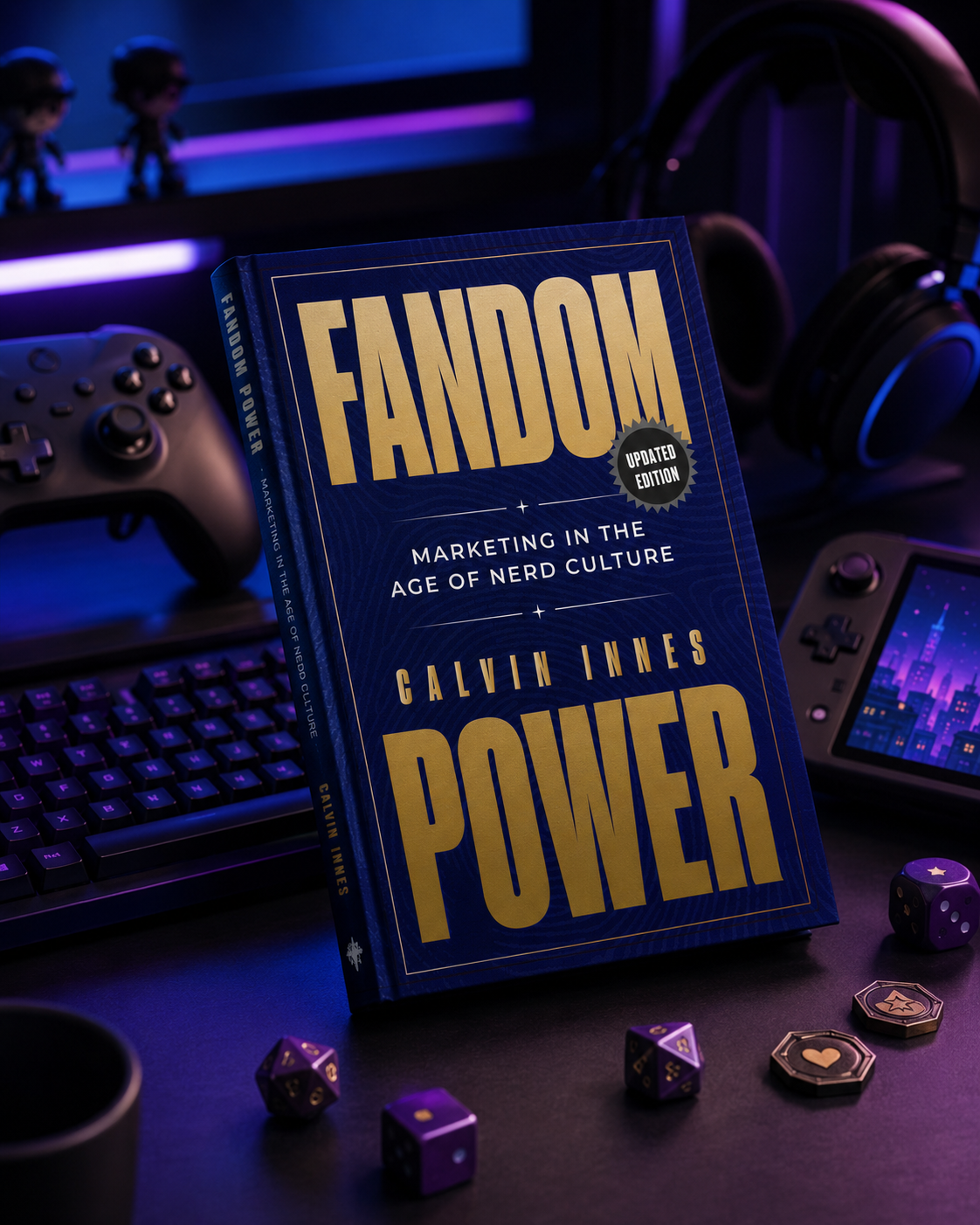
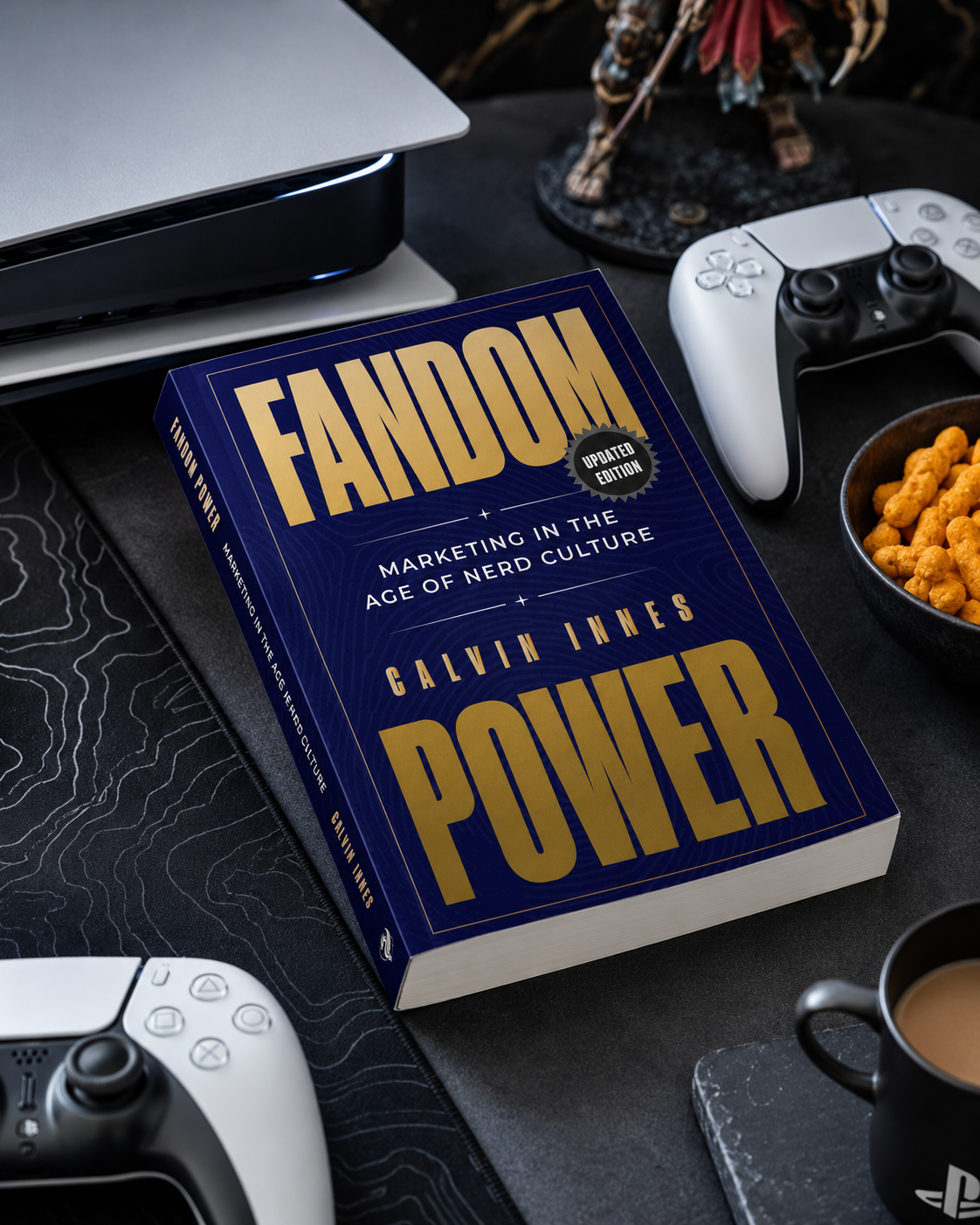
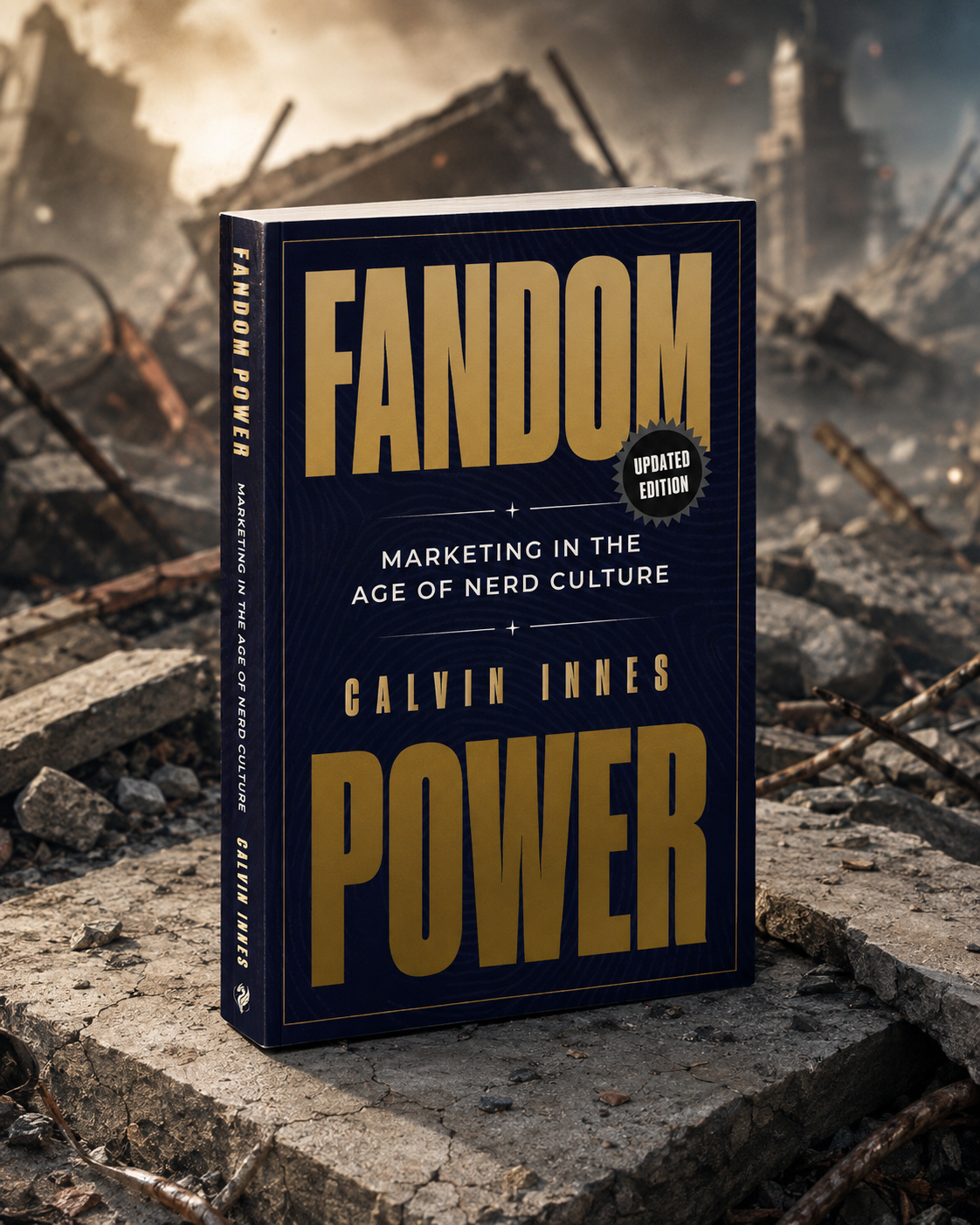
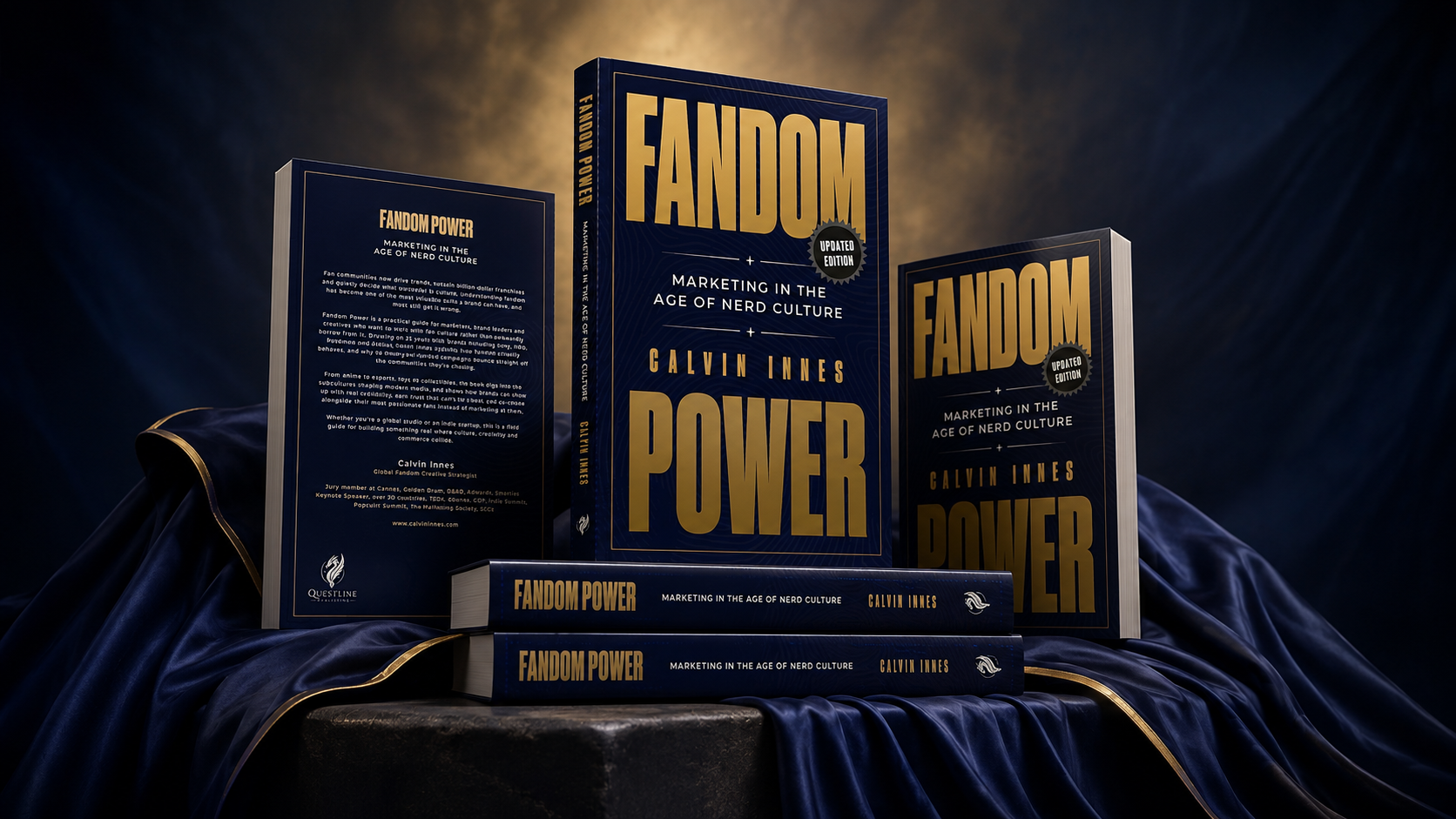
Fan communities are the most valuable and most misunderstood audiences in modern culture. This is a book about what fandom actually is, why it behaves the way it does, and how to build for it without getting rejected on sight.
Why this book exists
Anime is not niche. Esports fills arenas. Collectibles have become an asset class, and the toy aisle is increasingly designed for adults with disposable income. The things that used to sit at the edges of culture now sit at the centre of it, and they got there because of fans, not because of media spend.
The problem is that most organisations still process fandom as a demographic. A group to be targeted, segmented and messaged at. Fandom does not work that way. It is identity, community, ritual and status, all operating at once, all of it earned rather than bought.
That gap is where the money leaks out. Brands spend enormous budgets entering fan spaces and get read as tourists within hours. Others sit on genuine fan communities they built by accident and have no idea what to do with them.
Fandom Power is the practical version of the thing everyone keeps talking about. Not fan studies theory, and not a case study reel. It is a working explanation of how fan communities actually behave, and what that means for the decisions you have to make on Monday morning.
Fandom is not an audience you reach. It is a culture you either earn a place in, or get thrown out of.
Fandom Power, updated edition
Who it's for
Written for people who have to make decisions, not people writing papers about fandom.
You keep hearing that you need to show up in culture. This gives you a way to judge whether an idea will land or embarrass you, before it goes anywhere near a budget.
Briefs asking for community and culture arrive constantly, and very few people can answer them properly. This is the language, the reasoning and the frameworks to do it with confidence.
You already have fans. The question is whether you understand what you have, what it is worth, and how quickly you can lose it. This book is about protecting and growing that.
Fandom is the most efficient growth engine there is, and the least fakeable. Useful whether you are building something from nothing or trying to work out why momentum keeps stalling.
If you want a book that tells you to post more and partner with a streamer, this isn't it. Fandom Power asks you to think about audiences as people with identities, histories and standards, and that is a harder and far more rewarding piece of work.
The book

Calvin Innes · Author
About the author
I'm a fandom and pop culture creative strategist, which is a job title that still needs explaining in most rooms. I help brands, agencies and organisations understand the most loyal, passionate and commercially underestimated audiences there are.
Twenty five years of creative direction and strategy, and a lifetime as a sneakerhead, ex skater, gamer, comic nerd and film obsessive. That combination is the whole point. I can read a fan community from the inside, and I can turn what I see into work that actually gets made.
Fandom Power came out of the same gap I kept running into: briefs asking for culture and community, and almost nobody able to deliver it properly. The book is the argument, the evidence and the practical method, in one place.